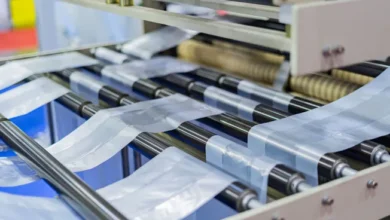
UPS leverages RFID technology to scale package tracking and operational efficiency as network automation reaches record levels


The logistics landscape is undergoing a profound digital transformation, and United Parcel Service (UPS) is positioning itself at the vanguard of this shift through the aggressive deployment of radio-frequency identification (RFID) technology. By integrating these smart tags into its massive global network, the carrier is fundamentally altering how it tracks, sorts, and delivers billions of packages annually. As of October 2026, CEO Carol Tomé has confirmed that the company expects 6 million packages per day to benefit from enhanced RFID visibility by 2027, marking a significant milestone in the carrier’s multi-year effort to modernize its supply chain infrastructure.
The Mechanics of RFID Integration
Unlike traditional barcode scanning, which requires a direct line of sight and individual handling by a scanner, RFID technology utilizes electromagnetic fields to automatically identify and track tags attached to objects. For UPS, this transition represents a departure from labor-intensive manual scanning processes.
When a customer utilizes RFID labels—which can be applied at the point of origin or at UPS Store locations—the company’s infrastructure is capable of performing automated scans during pickup and throughout the sorting process. This creates a "digital twin" of the package’s journey, providing shippers with granular, real-time visibility that was previously difficult to achieve at scale. By eliminating the need for manual intervention at every checkpoint, UPS is not only reducing the likelihood of human error but also drastically increasing the throughput capacity of its regional hubs.
A Chronology of Technological Adoption
UPS’s journey toward an RFID-enabled network has been a calculated, phased implementation. The carrier recognized years ago that as e-commerce volumes surged, the legacy methods of logistics management would eventually reach a breaking point.

- Early Implementation (2021-2022): UPS began pilot programs in major hubs like the Centennial Ground Hub in Louisville, Kentucky. These early trials focused on testing the reliability of RFID sensors within high-speed sorting chutes.
- Expansion to Retail (2023-2024): The company expanded the program to include The UPS Store locations, ensuring that even small-business shippers and individual consumers could benefit from the enhanced tracking capabilities of RFID tags.
- Operational Scaling (2025): Throughout 2025, UPS executives reported consistent gains in efficiency. During the January 2025 earnings call, Matt Guffey, the EVP and chief U.S. domestic officer, emphasized that the technology was no longer an experiment but a competitive advantage.
- Current State (2026): By the fourth quarter of 2026, the company is on track to deliver more than 4 billion RFID-enabled packages. This trajectory underscores a commitment to full network integration, with automation levels for all package flows reaching nearly 70%.
Supporting Data and Network Automation
The shift toward RFID is a component of a broader strategy to digitize the entire UPS network. The company’s internal metrics show a clear correlation between increased automation and improved operational performance. At the close of 2025, approximately 66.5% of all UPS packages flowed through an automated system. By late 2026, that figure climbed to nearly 70%.
This automation is not limited to RFID. It encompasses high-speed conveyor systems, automated dimensioning scanners, and AI-driven route optimization software. When combined with RFID, these tools create a synchronized ecosystem where the physical movement of a package is perfectly mirrored by its data signature. For the end-user, this means fewer "lost" packages, more accurate estimated delivery windows, and a significant reduction in the frustration associated with opaque shipping updates.
Commercial Implications and Retailer Demand
The push for RFID adoption is largely driven by the demands of enterprise-level commercial clients. Large retailers have a vested interest in supply chain transparency, particularly regarding inbound logistics. When a retailer knows exactly what is hitting their docks and when, they can optimize their labor force to receive and process inventory more efficiently.
"Large U.S. enterprise retailers are drawn to RFID offerings because they have inbound visibility to what’s hitting their docks, and it allows them then to spread their workforce and how they inbound that volume," Guffey noted. By offering this level of transparency, UPS is not merely acting as a courier but as a strategic partner in the retailer’s own inventory management system. This value-add service makes UPS a more attractive option for high-volume corporate contracts, helping the carrier defend its market share against competitors and regional delivery services.
Official Responses and Strategic Vision
CEO Carol Tomé has framed the RFID expansion as a cornerstone of the company’s "better and bolder" strategy. During recent corporate updates, leadership has emphasized that the network is now more "efficient and better positioned than ever to handle the holiday surge."

The focus on peak season preparedness is critical. Historically, the Q4 holiday volume creates immense pressure on global logistics networks. By automating the sorting process through RFID, UPS reduces the reliance on seasonal labor for manual sorting, thereby mitigating the risks associated with hiring and training large temporary workforces during periods of peak demand. This technological buffer allows the carrier to maintain consistent service levels even when volume spikes significantly above the daily average.
Broader Impact on the Logistics Industry
The success of UPS’s RFID initiative is likely to set a new standard for the logistics industry. Smaller carriers and regional logistics firms may find themselves under increased pressure to adopt similar technologies to remain competitive. The expectation for real-time visibility is no longer a "luxury" feature requested by tech-savvy shippers; it is becoming the industry baseline.
Furthermore, the data generated by this RFID network has secondary benefits. UPS can analyze the flow of billions of packages to identify bottlenecks, predict traffic patterns, and optimize fuel consumption. This data-driven approach contributes to the company’s broader sustainability goals by reducing the carbon footprint of its fleet through more efficient routing and load balancing.
Challenges and Future Considerations
While the transition to RFID is largely positive, it is not without challenges. The upfront capital expenditure required to outfit thousands of vehicles, tens of thousands of storefronts, and hundreds of sorting hubs is immense. Additionally, the technology requires a high level of integration with customer-facing platforms. If the data from an RFID tag is not correctly relayed through the carrier’s tracking API to the customer’s dashboard, the technological benefit is lost.
Cybersecurity also remains a paramount concern. As physical assets become increasingly connected to the digital grid, the attack surface for the logistics network expands. UPS must ensure that the data transmission from RFID sensors is encrypted and protected against potential interference or spoofing.

Conclusion: A New Era of Logistics
The integration of RFID technology into the UPS network is more than an operational upgrade—it is a fundamental transformation of the delivery process. By 2027, the target of 6 million packages per day benefiting from RFID visibility will likely be viewed as a turning point in the company’s history.
As the lines between physical logistics and digital data continue to blur, UPS is proving that the future of shipping lies in the ability to turn every package into a smart, trackable asset. Through a combination of rigorous automation, strategic investment in sensor technology, and a focus on the needs of enterprise retail partners, UPS is building a network that is not only faster and more reliable but also deeply integrated into the digital infrastructure of modern global commerce. As the company heads into the final months of 2026, the success of these initiatives suggests that the era of manual, opaque shipping is coming to a definitive end.